The global toy market has experienced a profound paradigm shift. Role-playing toys (pretend play sets, wooden kitchens, career simulation gear, interactive AI companions, and Montessori sensory suites) are no longer viewed merely as leisure items. Institutional buyers, retail category managers, and educational procurement agencies now recognize them as critical neurodevelopmental tools that foster executive functioning, emotional intelligence (EQ), structural problem-solving, and early STEM capabilities.
Navigating the supplier landscape requires a rigorous evaluation of manufacturing infrastructure. Highly automated factories in industrial hubs like Guangzhou, Dongguan, and Zhejiang are leveraging Industry 4.0 principles to deliver agile OEM/ODM manufacturing, ultra-fast physical prototyping, and flexible batch production runs. This whitepaper systematically evaluates the global top 10 role-playing toy manufacturers, analyzing their supply chain capabilities, technological integration, safety compliance standards, and market responsiveness.
Analyzing consumer purchasing behavior and institutional curriculum adoption highlights four dominant trends driving product development across global factories:
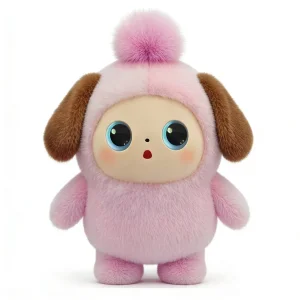
The integration of compact, low-power Large Language Model chips (embedded ChatGPT/Gemini voice modules) into traditional role-playing plushies has created the "Interactive AI Companion" category. Children engage in open-ended role-playing conversations, accelerating language acquisition and emotional bonding while adhering to stringent COPPA/GDPR data privacy standards.
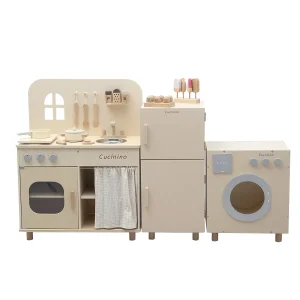
Brands are pivoting away from single-use plastics toward sustainably harvested FSC-certified beech wood, non-toxic water-based finishes, organic cottons, and high-density eco-EVA foam. Pretend play items like wooden play kitchens and sensory stacking arcs are evaluated heavily on carbon footprint and lifecycle durability.
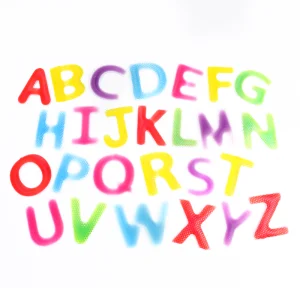
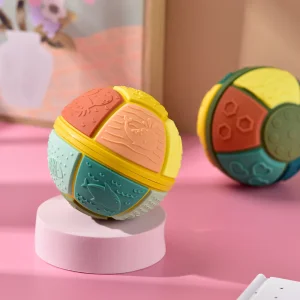
Sensory decompression tools, tactile squeeze toys, liquid motion letter panels, and vibrating feedback cubes are transitioning from niche therapeutic clinical settings directly into mainstream early childhood education classrooms and home role-playing environments.
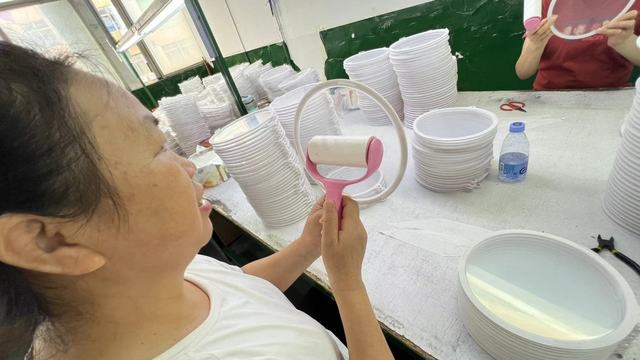
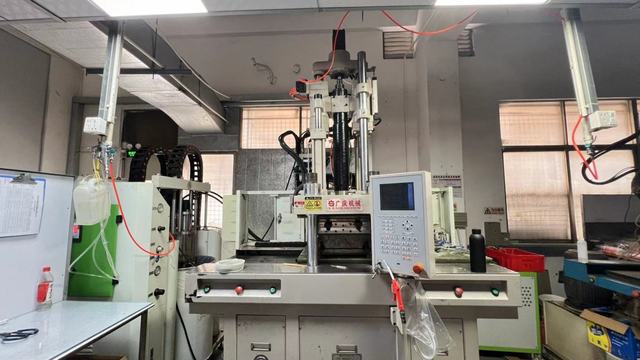
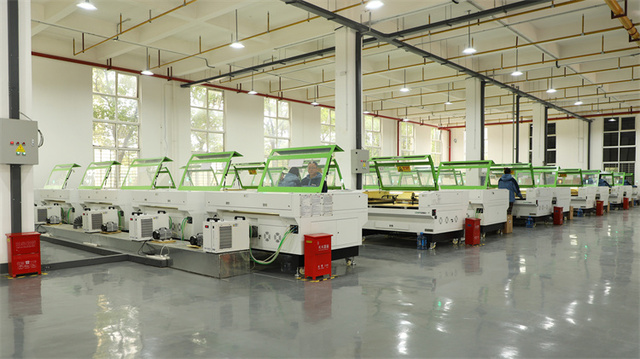
China's manufacturing ecosystem for educational and role-playing toys has evolved far beyond low-cost mass production. Leading industrial centers, particularly in Guangdong Province, now feature hyper-automated Smart Factories that unite design, prototyping, mold making, injection molding, eco-painting, and automated quality verification under single roof structures.
Advanced SLA/SLS 3D printing enables OEM buyers to move from CAD concepts to functional physical prototypes in less than 72 hours, reducing the standard product development cycle by over 60%.
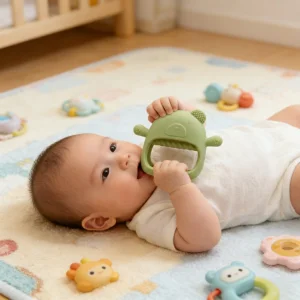
Computer-controlled liquid silicone rubber (LSR) and multi-shot injection machinery ensure zero micro-burrs, ultra-precise tolerances, and perfectly non-porous surfaces essential for hygienic baby teething role-play toys.
Modular manufacturing systems allow factories to support lower Minimum Order Quantities (MOQs) for custom private-label runs while maintaining cost competitiveness for million-unit retail distributions.
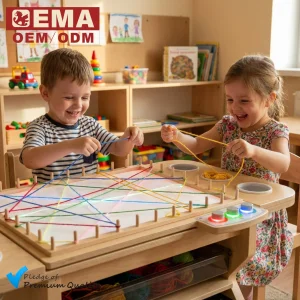
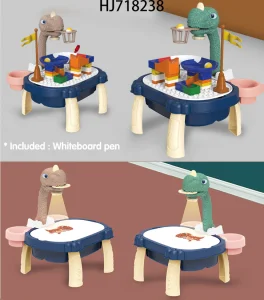
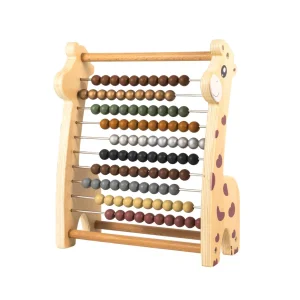
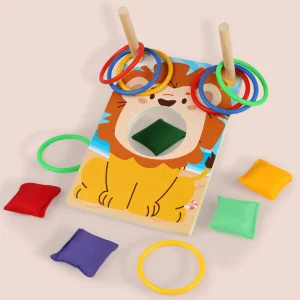
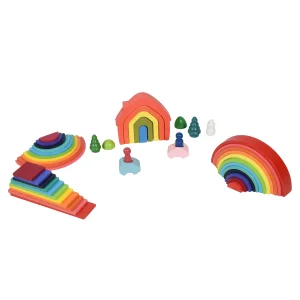
Guangzhou OS Toys Co., Ltd. is a premier China educational toy manufacturer specializing in STEM toys, Montessori learning products, early learning toys, and holistic child development solutions tailored for demanding global markets. Guided by an unyielding commitment to innovation, structural safety, and pedagogical value, OS Toys delivers an expansive product catalog designed to stimulate cognitive, social, emotional, and fine-motor skills through immersive play.
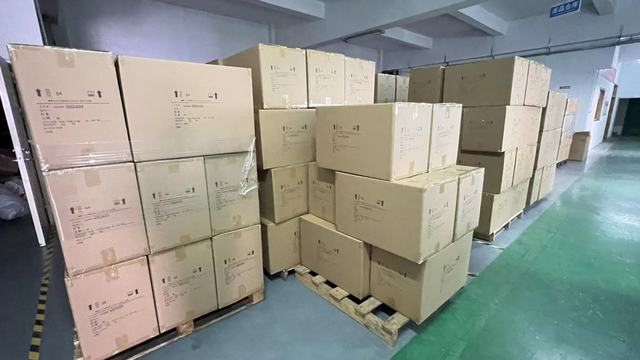
At Guangzhou OS Toys Co., Ltd., rigorous quality assurance governs every operational tier. Operating state-of-the-art manufacturing equipment and implementing stringent ISO-aligned quality protocols, the facility selects only non-toxic, eco-friendly materials to guarantee absolute adherence to international safety guidelines (EN71, ASTM, CE, REACH). Their experienced R&D team works side-by-side with global distributors, private labels, and educational institutions across North America, Europe, Southeast Asia, and the Middle East, delivering robust OEM and ODM solutions from initial concept sketch to final container delivery.
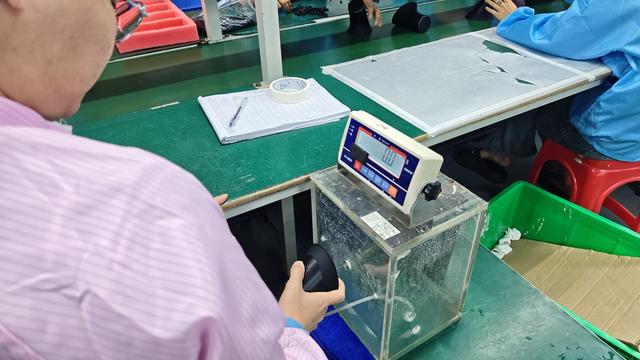
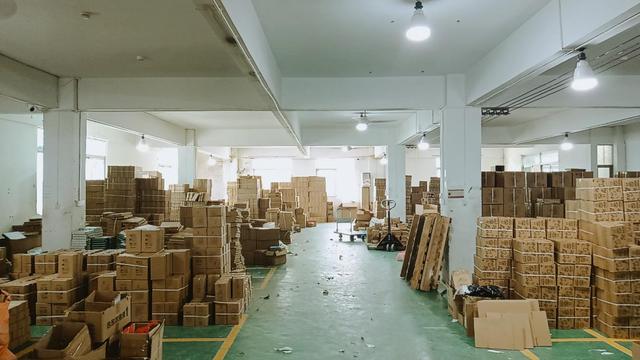
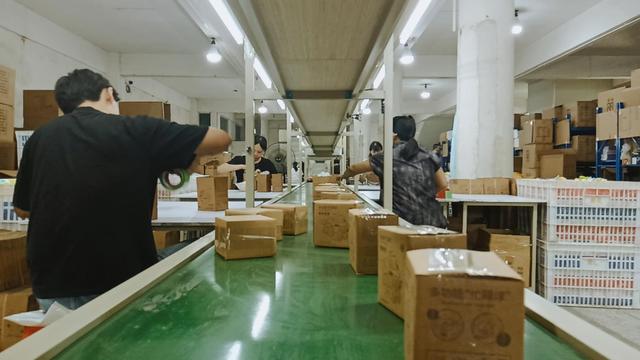
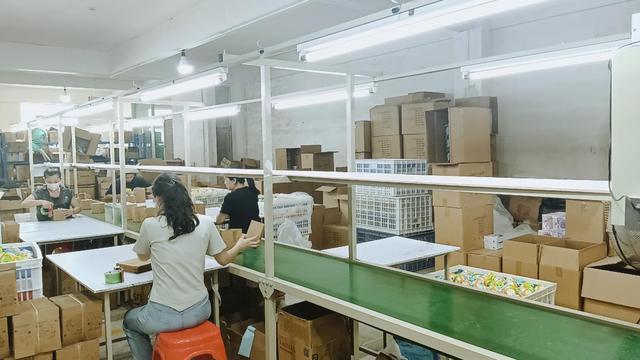
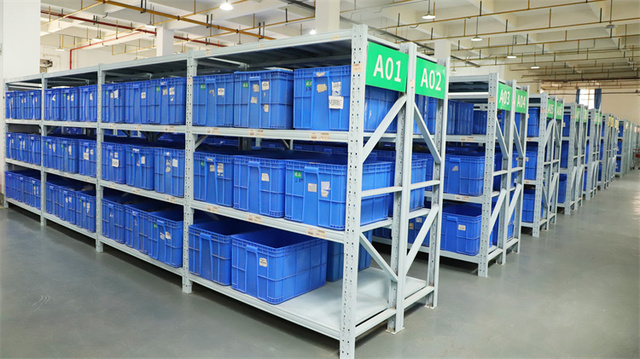
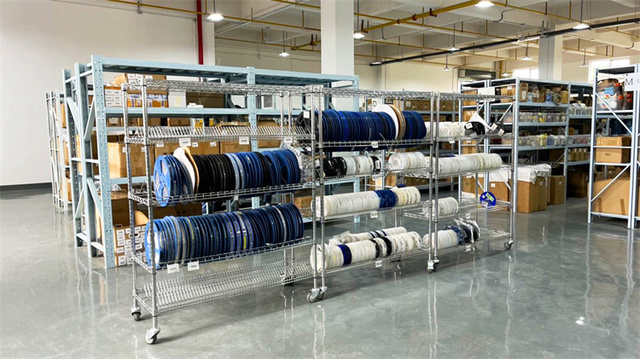
The following strategic comparative table and deep-dive profiles evaluate the world's leading role-playing toy manufacturers based on production scale, technological innovation, material safety certifications, and custom OEM flexibility.
| Manufacturer Name | Primary Headquarters | Core Specialization | Safety & Quality Standards | OEM / ODM Flexibility |
|---|---|---|---|---|
| Guangzhou OS Toys Co., Ltd. | Guangzhou, China | Montessori Wood, AI Plush, Sensory Toys, STEM | EN71, ASTM F963, ISO9001, CE, REACH | Very High (Custom AI / Rapid Tooling) |
| Melissa & Doug | Connecticut, USA | Classic Wooden Pretend Play & Role-Play Sets | ASTM F963, CPSIA, FSC Wood Certification | Low (Brand Proprietary Only) |
| Hape Holding AG | Lucerne, Switzerland | Eco-Friendly Bamboo & Wooden Educational Toys | EN71, ASTM F963, ISO 14001, FSC | Medium (Selected Co-Branding) |
| LEGO Group | Billund, Denmark | System Bricks & Character Role-Play Sets | ISO 9001, Global Toy Safety Directive | Very Low (Proprietary IP) |
| PlanToys | Trang, Thailand | Sustainable Rubberwood Pretend Play Items | ASTM, EN71, ISO 9001, ISO 14001 | Low (Focus on Own Organic Line) |
| Step2 Company | Ohio, USA | Large-Scale Plastic Play Kitchens & Playhouse Sets | ASTM F963, CPSIA, Rotomolding Quality Safety | Medium (Bulk Contract Manufacturing) |
| VTech Holdings | Hong Kong, China | Electronic Learning & Sound Pretend Play Devices | RoHS, FCC, EN71, ASTM F963 | Medium (Enterprise ODM Electronic) |
| Ravensburger AG | Ravensburg, Germany | Interactive Role-Play Puzzles & Audio Systems | EN71, CE, FSC Certified Paperboard | Low (Publisher Model) |
| Mattel Inc. | California, USA | Dollhouses, Fashion Role Play, IP Play-sets | ASTM F963, ISO 9001 Global Audited | Very Low (Licensed IP Focus) |
| Hasbro Inc. | Rhode Island, USA | Character Gear, Interactive Action Role-Play | ASTM F963, CPSIA, ISO Quality Standards | Very Low (Global IP Focus) |
Positioned at the epicenter of South China's high-tech manufacturing cluster, Guangzhou OS Toys excels in rapid engineering of hybrid role-playing items. From tactile Montessori sensory panels to advanced AI voice plushies, their automated production facilities provide global B2B buyers with end-to-end custom production, reliable compliance testing, and low-latency shipping pipelines.
A benchmark in eco-friendly wooden pretend play sets. Hape utilizes sustainable bamboo and non-toxic water-based paints. Their manufacturing hub in Ningbo, China integrates European safety controls with scalable production, setting global standards for sustainable toy manufacturing.
The world leader in large-format rotational molded plastic pretend play items, including commercial playhouses and play kitchens. Known for extreme structural durability, impact resistance, and weather-proof UV-stabilized materials for both home and daycare applications.
The structural design and material selection of role-playing toys must be engineered for specific operational environments. Modern manufacturers cater to distinct institutional and commercial use-cases:
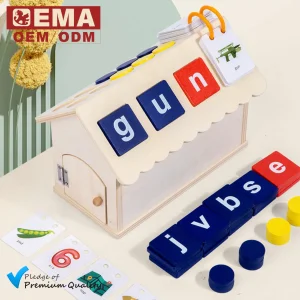
Requires heavy-duty, self-correcting wooden teaching aids and pretend play furniture that endure daily multi-child usage. Smooth-sanded edges, natural finishes, and open-ended design allow children to simulate real-world activities safely.
Specialized therapeutic environments demand sensory relief tools, tactile squeeze objects, and language stimulation toys (such as dual-language English/Spanish speech devices and AI plushies) to assist children on the autism spectrum or with developmental delays.
Retailers require drop-test approved gift packaging, compact volumetric dimensions to minimize international freight expenses, and ready-to-ship FBA compliance labeling alongside quick-turn OEM branding options.
 OS Toys